Author: Michelle Brannan

  • What is the AB5 Law in California? AB5 Law Explained

    What is the AB5 Law in California? AB5 Law Explained

    In 2020, California determined it was time to clarify and regulate how employees are classified in the workplace. As a state with a massive gig economy, that decision had a major impact on worker rights and benefits, and how organizations must employ and pay independent contractors.

    If you’ve landed here, you may want (or need) a better understanding of the AB5 Law in California and its implications for both workers and companies. Whether you’re curious or you’re directly affected by it, we’ll cover the ins and outs to help you navigate this significant piece of legislation in the simplest terms possible. 

    What is California’s AB5 Law?

    AB5, short for Assembly Bill 5, is a California state law designed to contextualize and define the parameters that classify workers as either employees or independent contractors. To do so, they created the ABC test, a method of criteria for determining whether or not a worker should be classified as an employee (with all the benefits and protections therein) or as an independent contractor.

    Independent Contractor vs Employees: The AB5 Law’s ABC Test

    There are many benefits and safeguards that laws offer to employees that are not extended to contractors. AB5’s ABC test was devised to determine and distinguish just that. Here are the parameters:

    Criteria A

    The worker is free from control and direction of the hiring entity in performing the work.

    In sorting out whether someone is an independent contractor, the IRS will rely on what they call the “control and direction” test. It’s pretty straightforward and focuses on three key aspects: behavioral control, financial control, and the nature of the working relationship.

    • Behavioral Control: This is all about who gets to call the shots when it comes to how, what, and when the work gets done. If the person or business hiring the worker has a say in these aspects and is directing their every move, it’s more likely an employer-employee relationship. On the other hand, if the worker has the freedom to decide the specifics of their work, they lean towards being an independent contractor.
    • Financial Control: This aspect looks into whether the worker has the opportunity to take on financial risks or losses. Independent contractors often have more financial control and can potentially experience both gains and losses from their work, while employees usually have a generally predictable income and fewer risks.
    • Nature of the Relationship: This aspect examines whether the worker is exclusively tied to a business or can work for multiple clients or companies. If the worker is limited to just a single employer, an employment relationship is likely at hand. If they instead have the flexibility to take on other gigs, they are more likely an independent contractor.

    Criteria B

    The worker performs work that is outside the usual course of the hiring entity’s business.

    This piece describes whether the work being done falls outside the general or core operations of the business, i.e. tasks that a company can easily delegate to external parties. If the work is something a business can likely outsource rather than handling it in-house, it’s more likely to be considered contract work.

    Criteria C

    The worker is customarily engaged in an independently established trade, occupation, or business of the same nature as the work performed for the hiring entity.

    This last bit delves into whether the worker is running their own business outside of the work at hand. If those individuals with specialized skills have their own gigs or small business, they are likely a contractor rather than an employee.

    Simplify Your Entire 1099 Production Process

    How AB5 Impacts Independent Contractors

    independent contractor working

    Models & Actors

    Modeling and acting are huge industries in California. The strange hours and freelance, freedom-based nature of the work may be affected by the need to classify the business exchange with standards under AB5. 

    While modeling and acting work is often “one and done,” there’s always room for exception, as in the case of many ongoing theater shows or television shows. D. Under the ABC test used by AB5, models, and actors could potentially be classified as employees, entitling them to employee benefits and protections. 

    Production Crew Members

    Crew members, such as production assistants, camera operators, and grips, could also be affected by AB5. Oftentimes these roles are ongoing, so it’s best to be sure of their specific workflow as it relates to the ABCs of the AB5. 

    One of those ABCs requires independent contractor work to be unrelated to the hiring entity. In film production, this can mean crew members may have to be classified as employees

    Hair & Makeup Artists

    Similar to actors and models, these roles are often project specific. Because hair and makeup artists perform services that are “within the usual course” of a salon’s business model, the hiring party can never truly meet part B of the ABC test, which states: “the worker performs work that is outside the usual course of the hiring entity’s business.”  

    However, there could be a chance that these talents are affected by AB5 in other nuanced ways, so it can be helpful to seek legal guidance to be certain you’re classifying these folks by the book.

    Freelance Writers

    Freelance writers are interestingly affected by AB5. Considering the nature of their work deliverables and publishing companies, there are now specific parameters for freelance writers to meet the “B” criterion of the ABC test. 

    In California, AB5  limits the number of content contributions that writers can make to media organizations to 35 per year. For instance, SB Nation, a sports site owned by Vox Media, recently announced that they’ll be letting go of around 200 freelancers and instead hiring about 20 full-time and part-time employees to comply with AB5.  Be sure to check with legal counsel for these roles to be sure you are classifying talent correctly.

    Drivers

    Drivers in the gig economy have been greatly impacted by AB5. In the past few years, there have been several debates on whether these folks should be protected by employee classification and all the benefits therein. There are varying opinions from folks who drive for a living as to which classification is preferable. Many would like to remain independent contractors and retain all the flexibility, tax, and logistical implications, while others would prefer to enjoy the benefits and protections of employee status.

    Prop 22 was created to maintain these roles classified as contractors, which also sparked a lot of debate. 

    AB5 Exemptions

    There are indeed exemptions to AB5 for specific professions and industries. As mentioned, Proposition 22 was passed in California in November 2020. Proposition 22 created an exemption for app-based rideshare and delivery drivers, allowing them to continue working as independent contractors with some additional benefits and protections.

    Similarly, AB2257, a revision passed in 2020 added additional exemptions and clarifications to AB5 for certain jobs, such as freelance writers, photographers, translators, graphic designers, musicians, and more.

    Individuals and businesses should consult legal professionals who specialize in employment and labor law to understand the exemptions that may apply to their specific circumstances and ensure compliance with applicable regulations.

    How To Stay Compliant Under the AB5 Law

    Independent contract model at a photoshoot.

    1. Understand Employee Requirements vs Contractor Requirements 

    There are requirements for each classification that are important to understand as you work through the details here. Below is a high-level overview of a handful of those differences.

    Control and Independence: Employees typically work under the “control” of their employer. The employer determines how and when the work is done, and provides necessary tools or equipment. On the other hand, contractors have more independence and control over how they perform their work, as well as their own tools to see it through.

    Benefits and Protections: Employees are most often entitled to various benefits and protections under labor laws. These may include minimum wage, overtime pay, workers’ compensation, unemployment insurance, and access to employer-provided benefits like health insurance and retirement plans. Contractors, on the other hand, are responsible for their own benefits and do not receive these perks.

    Tax Responsibilities: Employees have taxes withheld from their paychecks by their employer, and the employer is responsible for paying certain taxes on behalf of the employee. Contractors, on the other hand, are responsible for paying their own taxes and are typically considered self-employed for tax purposes.

    Length of Relationship: Employees typically have an ongoing and long-term relationship with their employer, while contractors work for specific projects or periods of time. Contractors are not typically considered permanent employees of the hiring entity.

    2. Determine Worker Classifications

    To determine your worker’s classifications, be sure to use the ABC test as your guide. As a reminder, those three determinations are dependent on the following data points:

    A. The worker is free from control and direction of the hiring entity in performing the work.

    B. The worker performs work that is outside the usual course of the hiring entity’s business.

    C. The worker is customarily engaged in an independently established trade, occupation, or business of the same nature as the work performed for the hiring entity.

    If you are in the photo production world, LÜK is ready, willing, and able to lend a hand in navigating the worker classification process under AB5. Our team is fluent in the ins and outs of the ABC test and will help you look at three important factors to make the call. 

    Keep in mind that AB5 and its classification rules apply specifically to California — other locations have their own tests and rules for determining worker classification. In any case, we’ve got the scoop and would love to help.

    3. Reclassify Workers if Necessary

    AB5 can be a bit of a puzzle, so reclassifying workers should be done with the utmost care and help from legal experts or seasoned AB5 pros. With information gleaned after conducting an ABC test, you may find yourself needing to reclassify independent workers as employees or vice versa. In this case, it’d be necessary to reconfigure their corresponding tax forms (1099 or W2) or add or remove certain benefits from their employment structure. 

    4. Adjust Schedules, Payments, and Taxes as Needed

    If you find after determining classification through your ABC test that you’re toeing the line between two classifications, you can make adjustments to the role to course correct your classification in the intended direction.

    For instance, if you’re a casting agency and your workers are classified as employees, you may need to modify their schedules to ensure compliance with labor laws. Review and update work hours, breaks, and any overtime policies to be sure you’re doing so by the book.

    Ensure your workers who are employees are receiving minimum wage and any applicable overtime pay. If using contractors, ensure that payments are made per the terms outlined in their particular contractor agreements.

    As taxing goes, for employees you must withhold the required taxes from their paychecks and remit them to the relevant tax authorities. For contractors, provide them with the necessary tax forms (e.g., Form 1099) at the end of the year and ensure they are responsible for their own tax obligations.

    Make It Simple to Follow the AB5 Law

    We hope this guide has lent you a better understanding of AB5 and its implications for both workers and companies alike. 

    While navigating AB5 (and any other talent and entertainment payroll management hurdles), LÜK can help you put together your next production. 

    Whether you’re working with LÜK to reinforce and support your payroll workflow, and worker classifications, or to defer that process entirely, we’d be thrilled to be a part of the process.

  • 11 Best Casting Websites & Companies for Producers and Filmmakers [2024]

    11 Best Casting Websites & Companies for Producers and Filmmakers [2024]

    As a producer, casting the right talent can make or break your production. But finding the right talent…can be tough.

    Casting agencies, companies, and websites have become increasingly popular resources for casting directors and professionals to find talent for photoshoots, film, TV, and more. Some casting companies offer additional tools to help producers oversee submissions, book talent, and more. 

    This article will take a look at some of the best casting websites to help you tackle casting head-on–and get the perfect talent for your next project! 

    What Is a Casting Website? 

    A casting website is an online platform where casting directors, producers, and filmmakers can post casting calls for roles in their upcoming projects.

    Using a casting website provides benefits for both industry professionals and performers. Casting directors can quickly and efficiently reach a wide talent pool. They can filter and find specific types of talent within a centralized database, making the selection process easier and less stressful.

    Casting agencies and companies are also invaluable for discovering and finding opportunities for actors, from large-scale productions to independent films or local theater. Creating a professional profile on a casting website can increase an actor’s visibility in the industry, allowing them to showcase their skills, headshots, and reels to casting professionals. 

    Paid vs Free Casting Sites 

    Both paid and free casting websites allow the actor and producer to see and find projects, films, etc. The main difference is that the user is usually getting what they paid for. 

    Paid casting websites typically offer a premium experience, with advanced search options, high-quality talent databases, extensive project listings, and in-depth profiles for actors and casting calls. These sites often provide additional resources like audition coaching, resume-building tools, and industry insights to give subscribers a competitive edge.

    Free casting companies can be a great starting point for newcomers or those with budget constraints, allowing actors to access some casting calls and submit for roles without a financial commitment. This can limit opportunities for the actor or offer limited features and tools for them to use on their website.

    Casting Company Services

    Some of the most common services offered by casting companies and websites: 

    • Talent scouting: Helps producers actively search for and identify potential talent for various roles, drawing from a large pool of actors, models, and performers.
    • Casting calls or auditions: They organize and facilitate casting calls and auditions, where actors perform in front of casting directors or producers to showcase their suitability for a role
    • Contracting and negotiation: Casting companies may help negotiate contracts and terms of employment so that both the talent and the production company mutually agree.
    • Representation: Some casting companies may also serve as representatives or agents for actors, helping them to find work, manage their schedules, and provide career guidance.
    • Project casting: Casting companies work closely with production teams to understand the specifics of a project and determine the types of actors required. 
    • Background talent: Casting companies also provide background actors or extras to fill out scenes and provide a realistic environment.
    • Workshops: Some casting companies offer workshops and training sessions for actors to develop their skills and stay competitive.
    • Casting strategy: Develop a comprehensive casting strategy that aligns with the creative vision of the production, considering factors like budget, timelines, and project-specific requirements.

    The Best Casting Websites & Companies

    Here’s the LÜK list of some of the best casting websites and companies for talent and producers: 

    1. Actor’s Access

    actors access logo

    Actor’s Access allows actors to create personal profiles with headshots, resumes, and media clips. Actors can also audition virtually and upload their audition videos for casting directors to review. 

    actors actresses

    Features & Services:

    • Eco Cast: Helps with audition management for remote and in-person auditions, callbacks, and more. 
    • The Grid: User can track projects, work with their teams, and create project lists from one place
    • Talent Link: Help actors and new talent find representation. 
    • Casting About: Helps talent stay up to date on who’s casting with all details such as social media, email, addresses, etc. 

    2. Backstage

    Backstage logo

    Backstage is a platform that helps actors, performers, and creative professionals find opportunities on TV, film, theater, and more. Users can upload their information, reels, headshots, and more to their profiles and subscribe to the platform for resources and tools like articles and webinars. 

    Features & Services:

    • User-generated Content: Users can find and discover influencers, content creators, and people to help generate realistic content. 
    • Theater and Performing Arts: Casting professionals can find, connect, and manage diverse talent for plays, musicals, epics, and more. 
    • Secure Payments: Casting professionals can pay talent directly with their preferred method. 
    • Branded Content: Users can create content using the platform’s creative tool marketplace and workflow tools. 

    3. Casting Frontier

    Casting Frontier logo

    Casting Frontier streamlines the casting process by providing tools for actors and casting professionals. Casting professionals can post their listings on the platform, search talent by capabilities, record and hold auditions, and more. Actors can create profiles and audition for multiple listings using Casting Frontier. 

    Features & Services:

    • Auditioning: Talent can audition from anywhere, or casting directors can invite talent to audition remotely. 
    • Profiles: Talent can show off their skills and upload their social media, resumes, video clips, and headshots. 
    • Agent Finder: Helps agents find new talent to represent or recommend for roles. 
    • Book Talent: Casting Directors can book talent from anywhere by requesting virtual audition tapes, sharing lives, and meeting with talent and agents.

    4. Casting Networks

    casting networks logo

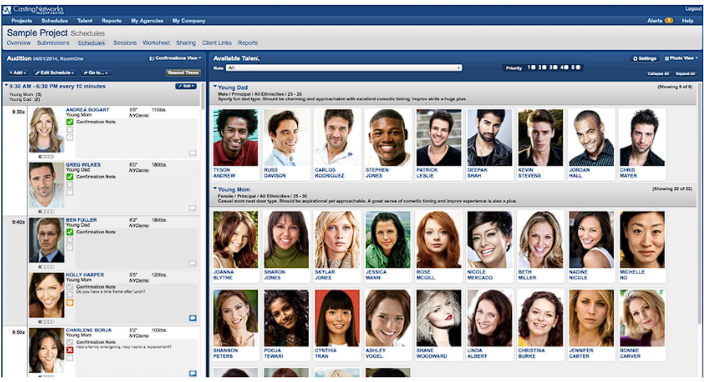
    Casting Networks is a platform for actors and casting directors. It offers a centralized tool for finding, auditioning, and booking talent for TV, film, music videos, and more. The platform can also help manage talent submissions, organize callbacks, and more. 

    Features & Services:

    • Talent Profiles: Talent can create their profile with their resume, media highlights, and headshots. 
    • Organize Submissions: Casting directors can organize all submissions from representatives and talent to help with casting. project, 
    • Notifications: Talent representatives get real-time notifications about new roles and submitting talent in the same place. 

    5. iActor

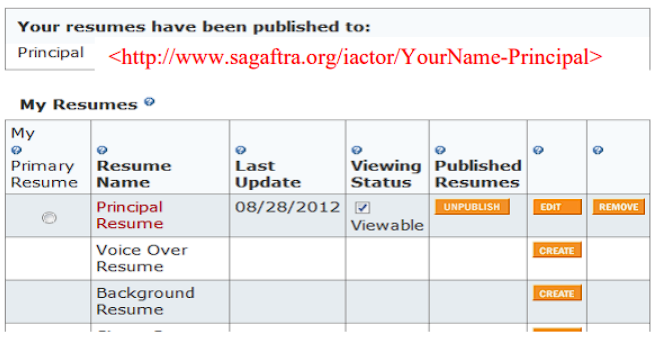
    iActor is an online casting service that SAG-AFTRA created for its union members. The platform has a talent database with profiles, headshots, resumes, contact information, and reels. The purpose of this platform is to give its actors more exposure. 

    Features & Services:

    • Casting Account: Casting professionals can fill out a form if they are casting for a project. 
    • Database: A database available to casting professionals to find talent for projects. 
    • Online Resumes: Platform members can create online resumes with photos, videos, and audio files. 

    6. IMDbPro

    IMDbPro was created for actors and entertainment professionals. The platform provides information about the box office, actors, production, and tools such as the IDMbPro Discover and public profiles. Those who are subscribed to IMDbPro also have access to insights and data regarding the box office. 

    Features & Services:

    • Known For: Users and talent can highlight their credits, demo reels, featured images, and more for their profiles.
    • Tracking: Talent can track in-development projects and attachments. 
    • Title Database: A database with the lifetime of each TV, film, media, or web series project with details about each production. 
    • IMDbPRo Discover: The platform allows Professionals to search and find staff for their upcoming projects. 

    7. Mandy Network

    Mandy Network is an online network for actors and casting professionals looking for opportunities to audition or cast talent in their projects. The platform comes with multiple resources, such as career advice, detailed profiles, access to exclusive events, workshops, and more.

    Features & Services:

    • Employer Directory: Users can access the employer directory and reach out to potential employers. 
    • Networking: Talent can join forums and notice boards and talk with other industry professionals. 
    • Service Providers: The Platform provides a list of photographers and show and voice reel providers to help talent showcase their skills. 
    • Alerts: Talent gets notifications about new pad jobs and auditions based on their skills. 

    8. Project Casting

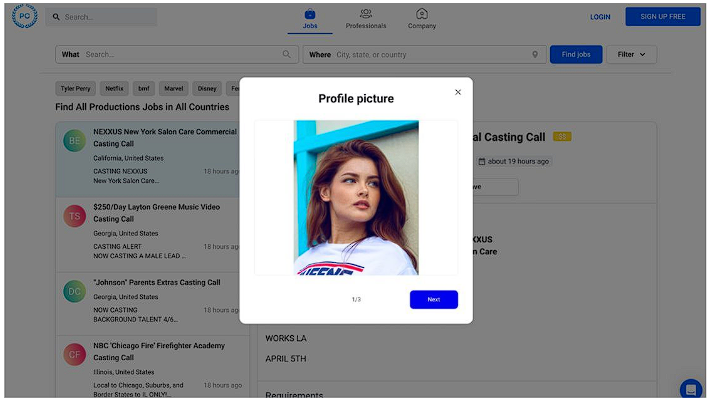
    Project Casting offers a database for casting calls and auditions for actors, models, singers, dancers, and performers. The platform also works as a hub of information, providing updates on the industry, tips and advice, listing information, and access to industry insights. 

    Features & Services:

    • Job Board: Database with casting calls and opportunities that can be filtered by company, location, job type, etc. 
    • Profile: Newcomers can join the platform and create their profiles to get discovered. 
    • Messenger: Network and communicate with professionals and companies using the Project Casting app
    • Job Alerts: Users get notifications for new casting calls, auditions, and jobs when they become available. 

    9. NYCastings

    NYCasting is a casting service that connects casting directors and producers with talent. The main mission of NYC Casting is to improve the chances of an actor landing a role. The platform also offers workshops, headshots, resume services, and updated listings. 

    Features & Services:

    • Role Alerts: Actors get an email or message for roles that match their interests. 
    • Account Dashboard: A hub for the actors’ information, photos, reels, media, etc. 
    • Training: Actors can attend workshops and use the platform’s resources to improve their skills. 
    • Share documents: Casting directors can share scripts, contracts, call sheets, and more with hired talent through the platform. 

    10. Playbill

    Playbill is a well-known online platform that caters to the theater industry. The website offers information for plays and musicals and lists upcoming shows and times for upcoming productions. Actors use the platform to find audition and performance-related job opportunities. 

    Features & Services:

    • Advertising: Users can reach their audiences through the Playbill website or magazine. 
    • Make-Your-own-Playbill/PLAYBILLder: Users can build their own playbill that can be shared virtually with others. 
    • Vault: A database of long-running Broadway shows and musicals with information on dates and times of upcoming performances. 

    11. StarNow

    StarNow is a platform that helps productions and talent find jobs and auditions. Those looking for work can filter listings and projects by production type and location. Producers and casting directors can look for talent using the platform’s talent database. 

    Features & Services:

    • Auditions Calendar: Organizes casting calls by data and weekday the audition for a project takes place. 
    • Talent Database: Access to profiles of hundreds of actors and performers with their information and location.
    • Pay Talent: Can pay talent directly using the platform’s Secure Payment feature. 
    • Listing Auditions: Users can create a listing for a role or job in their upcoming productions. 

    The Easiest Way to Cast and Book Talent

    Booking and casting talent can be time-consuming–and you need all the time you can get as a producer. Casting companies are a great help, but still require time to search through databases and set up auditions and casting calls. That’s why you need the most modernized platform to help you find the best talent in half the time. 

    To further build out your production tech stack, look to LÜK for an all-in-one production platform that offers solutions for 1099 payroll, booking and crew management. With LÜK’s entertainment payroll software, you can say good-bye to paperwork and back-and-forth emails just to pay talent. Approve or dispute bundled invoices, access your very own EOR, and rest easy knowing your talent gets paid directly and on time. 

    Features & Services:

    • Entertainment payroll processing: All talent and contractors are paid by federal and state labor laws. Clients can also access payout confirmations and reports. 
    • Worker classification: Handles all worker classifications on behalf of the producers to avoid any tax and legal troubles.
    • Personal Booking Specialist: A LÜK Booking Specialist helps set up casting calls, communicate and confirm talent for the projects, and handle any documentation for the producer.
    • Payroll management: Producers receive one invoice while payments are sent directly to 1099 contractors.  
    • Tax management: Sends out 1099-NEC to independent contractors surpassing the threshold set by the IRS for tax season.  
    • Casting and booking: Offers tools that help producers connect with talent, view talent decks, hold casting calls, check talent availability, and more. 
    • Invoice bundling: Bundle all 1099 payments for bookings, talent, contractors, and more into one invoice. 
    • EOR: LÜK will act as the Employer of Record for your production, keeping it in compliance with labor laws, handling tax tracking, payroll, and more. 

    It’s that easy with LÜK.